
So, you’ve discovered serious mould, asbestos, sewage contamination, or another biohazard inside a home. The situation may feel alarming, especially if walls, flooring, and insulation all need to be removed.
The good news is that house gutting and professional decontamination provide a clear path forward. When the work is properly planned, your property can be made safer, cleaner, and ready for restoration.
This guide explains what structural gutting means, when it is necessary, and how professional demolition and decontamination protect your family, property value, and investment.
What Does House Gutting Actually Mean?
House gutting is the controlled removal of interior building materials from part or all of a property. Depending on the condition of the home, this may include:
- Drywall and plaster
- Flooring and sub-floor materials
- Cabinets and built-in fixtures
- Insulation
- Ceilings
- Interior doors and trim
- Contaminated framing materials
- Damaged plumbing, electrical, or mechanical components
A typical full interior gut brings the home down to the studs and sub-floor. This creates a clean, accessible structure that can be inspected, decontaminated, repaired, and rebuilt.
It is important to understand the difference between a basic interior demolition and a structural gut. Removing finishes and non-load-bearing materials is not the same as removing load-bearing walls, beams, or other structural components. If structural elements will be affected, you may need additional engineering, permits, and approvals.
Think of it like opening a damaged wall so the real problem can finally be seen. Cosmetic repairs only cover the surface. House gutting exposes the areas that need professional attention.

When Is Structural Gutting Necessary?
A structural gut is usually considered when contamination or damage extends behind finished surfaces, throughout several rooms, or into the building’s framing and sub-floor.
Common situations include:
Extensive mould or water damage
A leak, flood, or long-term moisture problem can allow mould to grow behind drywall, under flooring, and inside insulation. If the affected materials cannot be cleaned safely, removal is often the most reliable solution.
Before work begins, the moisture source must be corrected. Otherwise, mould can return after the renovation.
Our mould testing services can help identify the extent of a suspected problem and guide the next step.
Suspected asbestos
Older Ottawa homes may contain asbestos in plaster, drywall joint compound, flooring, insulation, pipe wrap, ceiling textures, and other materials. The risk increases when these materials are cut, drilled, sanded, or demolished.
Health Canada recommends verifying potentially asbestos-containing materials before renovations, remodelling, or demolition. If asbestos is suspected, do not disturb it yourself. Arrange professional testing and qualified abatement before demolition proceeds.
Learn more about asbestos testing and safety before starting work in an older home.
Biohazard or sewage contamination
Homes affected by sewage backups, feces, bodily fluids, or other biological hazards may require more than ordinary cleaning. Porous materials can absorb contamination, making surface wiping insufficient.
Professional biohazard remediation may involve removing contaminated drywall, insulation, flooring, cabinetry, and other materials. The affected areas then require controlled cleaning, disinfection, and verification.
Fire, smoke, or major property damage
Fire and water damage can affect multiple layers of a home. Smoke odours may move into insulation and framing, while water used during firefighting can create hidden moisture problems.
A controlled gut may be necessary before restoration contractors can safely rebuild the property.
Why DIY Demolition Is Risky in a Contaminated Home
Could you remove drywall or flooring yourself? Physically, perhaps. But the key question is whether you can identify what is unsafe before disturbing it.
Demolition can release:
- Asbestos fibres
- Mould spores and contaminated dust
- Sewage-related pathogens
- Fibreglass and insulation particles
- Lead-containing dust in some older materials
- Smoke residues and chemical contaminants
A standard dust mask does not provide the same protection as professional containment, respiratory protection, negative air pressure, and HEPA filtration.
The risk is not limited to the person doing the demolition. Contaminated dust can travel through doorways, HVAC systems, clothing, and household items.
That is why testing and hazard assessment must come before demolition. Stop work if you discover an unknown material, unusual odour, hidden mould, or suspected asbestos.
The Professional House Gutting and Decontamination Process
Every property is different, but a properly managed project usually follows these steps.
1. Initial inspection and scope definition
The first step is to determine what happened and how far the problem extends. A professional assessment may review:
- Visible damage
- Moisture levels
- Odours and staining
- Building age and construction
- Previous floods or renovations
- Areas behind walls and under flooring
- Potential asbestos or other hazardous materials
- HVAC and ventilation concerns
You will also need to clarify the project scope. Is it one room, a basement, or the entire house? Are load-bearing elements involved? Does the property need to be emptied before work begins?
A detailed scope reduces surprises and helps lenders, investors, insurers, and contractors understand the condition of the property.
2. Hazardous-material testing
Before disturbing materials in an older home, arrange appropriate testing. Asbestos testing may involve collecting samples from plaster, insulation, flooring, or other suspect materials for laboratory analysis.
For mould, the most important questions are often where the moisture is coming from, which materials are damaged, and whether contamination has spread into concealed areas.
Testing is not a substitute for remediation. It is the first critical step that helps determine the safest plan.
3. Containment and preparation
Before demolition begins, the work area should be separated from clean areas. Depending on the project, professionals may use:
- Polyethylene containment barriers
- Sealed doorways and openings
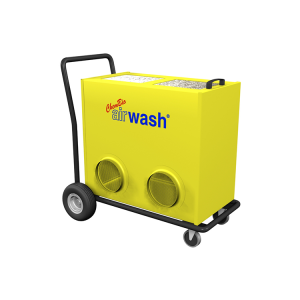
- Negative-air machines
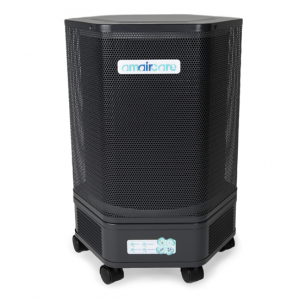
- HEPA air filtration
- Dedicated entry and exit points
- Protective equipment
- Sealed and labelled waste containers
Think of containment as building a temporary boundary around the problem. It helps keep contaminated dust and debris from spreading through the rest of your home.

4. Controlled demolition and house gutting
The team then removes damaged materials in a planned sequence. Depending on the scope, this may include gutting rooms to the studs and sub-floor.
Professional demolition is not simply breaking everything apart. It involves protecting areas that will remain, limiting dust, separating waste, and avoiding unnecessary damage to the structure.
If unexpected asbestos or another hazardous material is discovered, work should stop until the material is assessed and handled through the correct process.
5. Decontamination and cleaning
Once contaminated materials are removed, the remaining structure must be cleaned and decontaminated.
This may include:
- HEPA vacuuming
- Damp wiping
- Cleaning exposed framing
- Treating affected surfaces
- Removing odours and residues
- Cleaning or evaluating HVAC components
- Disinfecting areas affected by biological contamination
- Removing remaining debris
The goal is not merely to make the space look clean. The goal is to create a safer environment that is ready for the next phase of restoration.
6. Documentation and restoration planning
At the end of demolition and decontamination, document the completed work. Photos, project notes, testing results, waste records, and clearance information can be valuable for:
- Insurance claims
- Property sales
- Financing
- Lender or investor reporting
- Contractor coordination
- Future maintenance records
Once the property is properly prepared, rebuilding can begin. This may involve new insulation, drywall, flooring, electrical work, plumbing, HVAC, and finishes.

How House Gutting Protects Property Value
For homeowners, professional gutting and decontamination protect your family and give you a safer path back to normal living.
For lenders and investors, the benefits are broader. A contaminated or heavily damaged property can become difficult to finance, sell, insure, or restore without clear documentation.
Professional demolition and decontamination can help by:
- Stopping contamination from spreading
- Exposing hidden damage
- Creating a clear scope of work
- Supporting insurance and restoration decisions
- Protecting the building’s remaining structure
- Providing documentation for stakeholders
- Preparing the property for renovation or resale
A quick cosmetic repair may appear less expensive, but covering contamination without addressing the source can create larger costs later. The most reliable solution deals with the damaged materials and the cause of the problem.
What Should You Do Before Work Begins?
Use this checklist before starting a major gutting project:
- Stop disturbing suspect materials. Do not cut, sand, scrape, or remove possible asbestos-containing materials.
- Arrange professional testing. Test for asbestos, mould, or other hazards when the property’s age or condition creates uncertainty.
- Correct moisture sources. Repair leaks, drainage problems, plumbing failures, or condensation issues.
- Confirm permits and approvals. Structural demolition, complete building demolition, heritage properties, and major renovations may have specific municipal requirements.
- Use qualified contractors. Confirm that the team is insured, properly trained, and experienced with contaminated properties.
- Request an itemized scope. Separate demolition, disposal, decontamination, testing, and restoration costs.
- Document everything. Keep reports, photos, invoices, and clearance records in one place.
Frequently Asked Questions
Is house gutting the same as demolishing a house?
No. House gutting usually means removing interior materials while leaving the main structure standing. Full building demolition involves removing the entire structure. Structural gutting may include work around load-bearing elements and requires additional planning.
How long does a full house gut take?
The timeline depends on the size of the property, contamination type, testing, permits, disposal requirements, and the amount of material being removed. A small interior gut may be completed much faster than a whole-home decontamination project. Ask for a written schedule after the initial assessment.
Can mouldy drywall simply be cleaned?
Porous materials such as drywall, insulation, carpet, and some sub-floor products may not be suitable for cleaning once heavily contaminated or water-damaged. A professional assessment will determine whether cleaning or removal is appropriate.
Should asbestos be removed before demolition?
Yes, if asbestos-containing materials will be disturbed. Health Canada recommends professional assessment and qualified removal procedures before renovation or demolition work begins.
Can Simon Air Quality help with a contaminated property?
Yes. Simon Air Quality provides indoor air quality expertise, mould and asbestos testing, mould removal support, and demolition and decontamination services for homes and properties in the Ottawa area. We help you understand the problem, plan the safest next step, and move toward a cleaner, more usable property.
Start With a Professional Assessment
Discovering serious contamination in your home or investment property is stressful, but it is manageable with the right plan. Do not guess, disturb unknown materials, or cover up a problem that may be growing behind the walls.
Start with testing, define the scope, and use professional containment and decontamination when the situation requires it.
Contact Simon Air Quality or call 613-866-2092 to discuss your property and the next step toward a safer indoor environment and greater peace of mind.