
Yes, gas stoves raise indoor levels of nitrogen dioxide, carbon monoxide, and fine particles, and some models emit benzene during cooking. The single most effective immediate step is to run a ducted range hood on high heat while cooking, install a certified carbon monoxide alarm, and open windows after heavy use. Longer term, replacing the stove or upgrading ventilation cuts exposure further, and professional testing confirms what’s actually in your air.
TL;DR:
- Running a vented range hood on high and keeping it on after cooking can cut indoor emissions by over 80%, especially for NO2, CO, and PM2.5.
- Gas stoves emit benzene at levels that can surpass health safety benchmarks and linger in bedrooms hours after use.
- Installing a certified carbon monoxide alarm near sleeping areas and ensuring proper ventilation are crucial for safety.
- Upgrading to electric or induction stoves eliminates combustion emissions, but ventilation improvements still help reduce exposure.
- Professional air quality testing is recommended when high readings persist despite ventilation or after home renovations.
Table of Contents
- What gas stoves emit and how long the pollutants stick around
- Health risks linked to stove emissions, from asthma to long-term exposure
- Practical steps to cut exposure while you cook
- How to measure what’s actually in your indoor air
- Longer-term fixes: replacing the stove, upgrading ventilation, filtration
- When a homeowner should call in a professional
- How Simon Air Quality can help with your kitchen’s air
- Sources
- FAQ
What gas stoves emit and how long the pollutants stick around
Burning natural gas or propane releases a mix of combustion byproducts: nitrogen dioxide (NO2), carbon monoxide (CO), fine particulate matter (PM2.5), and in many cases, benzene and formaldehyde. NO2 and CO come directly from the flame, PM comes from both the fuel and whatever is in the pan, and benzene is a trace contaminant in the gas itself that escapes during combustion.
Peer-reviewed measurements found that gas and propane stoves emit benzene at levels able to push indoor concentrations above established health benchmarks. The same research found that benzene migrates well beyond the kitchen and can remain elevated in bedrooms for hours after the stove is turned off, meaning kitchen-only ventilation does not fully protect people in other rooms.
A separate 2025 study on gas stoves in homes reported large increases in indoor NO2 during cooking, along with higher peak hourly CO levels compared with homes using electric appliances. NO2 tends to spike fast, often within minutes of igniting a burner, then decays slowly without active ventilation.
Cooking itself, regardless of fuel, raises PM levels from oil, food particles, and heat. Gas adds a second layer of combustion-specific gases that electric and induction cooking don’t produce at all, which is the core distinction worth remembering when comparing fuel types.

Health risks linked to stove emissions, from asthma to long-term exposure
Research has linked gas stove use to higher rates of childhood asthma and respiratory irritation, with children considered more vulnerable because of their smaller airways and higher relative breathing rates. Acute exposure to NO2 and CO can trigger coughing, headaches, and airway inflammation, especially in homes with poor ventilation or in people with existing asthma or COPD.
The cancer-risk picture is more specific to benzene. A modelling study on gas stoves and cancer risk found that cumulative Incremental Lifetime Cancer Risk from stove-emitted benzene often exceeded World Health Organization safe thresholds in homes with medium to high stove use, with children’s modelled risk about 1.85 times higher than adults in those scenarios.
It helps to separate the two timeframes. Acute effects (irritation, headaches, worsened asthma symptoms) show up during or shortly after cooking and improve with ventilation. The benzene-related cancer risk is a longer-term concern tied to cumulative exposure over years, which is why consistent ventilation habits matter more than any single cooking session.
Practical steps to cut exposure while you cook
Most of the reduction in exposure comes from habits you can start tonight, not from new equipment.
- Vent to the outdoors, not back into the room. A ducted range hood that exhausts outside removes combustion gases; a recirculating hood with a charcoal filter mostly does not.
- Cover all active burners with the hood’s intake and run the fan on its highest setting. Health Canada guidance notes that running a hood on high, ideally near 300 CFM, can cut cooking-related pollutant exposure by more than 80% compared with lower fan speeds.
- Keep the fan running for the full cooking time and a few minutes after, since NO2 and PM decay slowly once the burner is off.
- If your hood recirculates instead of venting outside, open windows on opposite sides of the kitchen to create cross-flow, use a portable exhaust fan pointed outward, favor back burners over front ones, and dial back high-heat frying when ventilation is limited.
Carbon monoxide needs its own safeguard separate from ventilation. Health Canada recommends installing a certified CO alarm near sleeping areas and testing it regularly. If the alarm sounds, leave the house immediately and call emergency services from outside rather than staying to investigate or ventilate.
A quick way to check your current setup: confirm there’s visible ductwork leading outside (not just a filter box), that the hood covers all burners, and that the fan audibly changes speed when you adjust it. If any of those fail, the hood isn’t doing its job no matter how often you run it.
Pro Tip: Run the hood for a couple of minutes before you start cooking, not just during. It clears residual air and gets the exhaust path moving before pollutants peak.
How to measure what’s actually in your indoor air
A CO alarm only tells you about carbon monoxide, and only above a safety threshold. It won’t register NO2, VOCs, or fine particles, which is why many households add a standalone indoor air quality monitor for a fuller picture.
- CO alarms are a baseline safety device, not a monitoring tool. They alert at dangerous concentrations but give no data on day-to-day trends.
- IAQ monitors track NO2, VOCs, and PM2.5 over time, which helps you see whether your ventilation habits are actually working or whether pollutants are building up between cooking sessions.
- Repeated high readings on NO2 or VOCs, especially ones that don’t drop within an hour of turning off the stove, are a signal to look at ventilation or bring in professional testing rather than relying on a consumer monitor alone.
Professional air quality testing typically combines short-term sampling during peak activity like cooking with longer integrated sampling over a day or more, which captures both the spike and the background level a basic monitor might miss. A tester can also help interpret what the numbers mean for your specific home and recommend fixes.
Longer-term fixes: replacing the stove, upgrading ventilation, filtration
Switching to induction or electric eliminates combustion emissions at the source, since there’s no flame producing NO2, CO, or benzene. The tradeoff is upfront cost and, in some homes, the need for an electrical panel upgrade to support the new appliance.
If replacing the stove isn’t realistic right now, ventilation upgrades offer a middle path: installing a properly ducted exterior-vent hood, adding make-up air to balance strong exhaust fans, or adding a heat recovery ventilator (HRV) to improve whole-home air exchange. A contractor familiar with combustion venting can assess whether your home is depressurizing enough to pull gases back indoors, a risk flagged in federal guidance on combustion gas venting.
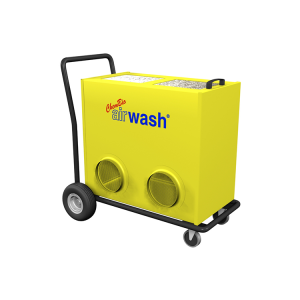
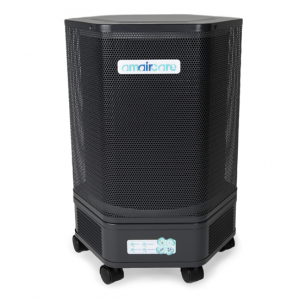
Portable HEPA filtration handles particulate matter well but does little for NO2 or CO, so it’s a complement to ventilation, not a replacement. VOC-capable units with activated carbon can reduce some gaseous pollutants, though performance varies by unit and by the specific chemical involved.

When a homeowner should call in a professional
Most ventilation fixes are things you can diagnose yourself, but a few situations call for outside help. Persistent headaches, coughing, or worsened asthma symptoms that improve when you leave the house point to an air quality problem worth investigating properly. Repeated high readings on a consumer monitor that don’t resolve with better ventilation habits suggest the issue is bigger than a single cooking session.
Post-renovation uncertainty is another common trigger, since new appliances, resealed ductwork, or changed airflow patterns can shift how combustion gases move through a home. A professional emissions or VOC test can confirm whether a kitchen is contributing to a broader problem or whether the source lies elsewhere, and the results come with specific mitigation steps rather than a general recommendation to “ventilate more.”
Certified testing also matters when a hood’s venting path is unclear, since not every recirculating system is obvious from the kitchen alone. A proper inspection traces the ductwork and confirms whether pollutants are actually leaving the house.
— Mark
How Simon Air Quality can help with your kitchen’s air
Emissions and VOC testing services are available to address situations where a kitchen might be pushing NO2, CO, or benzene into the rest of the home, combining certified testing with clear, written interpretations of the results and specific recommendations, including adjusting ventilation, adding filtration, or addressing venting problems that might not be obvious.

- Emissions and VOC testing identifies what’s actually in your air and where it’s coming from.
- Air quality monitors and test kits are available for homeowners who want ongoing readings between professional visits.
- Ventilation assessments confirm whether your range hood is venting outside or just recirculating.
If cooking has you wondering what’s building up in your home, start with our air quality services or browse monitors and purifiers built for everyday tracking.
Sources
Key references used here include peer-reviewed benzene emissions research from Environmental Science & Technology, a 2025 NO2 and CO study, and Health Canada’s cooking and air quality guidance. A stepwise approach to home air assessment is also covered by ClimatePro’s homeowner guide.
This article is general information, not a substitute for advice from a qualified doctor. Consult a qualified healthcare professional about your own circumstances before acting on anything here.
- Gas and Propane Combustion from Stoves Emits Benzene and Increases Indoor Air Pollution (Environmental Science & Technology, 2023)
- Nature journal article (2025) — gas stoves and indoor NO2/CO in Canadian homes
- Canada
FAQ
Do gas stoves produce indoor air pollution?
Yes. Gas stoves release nitrogen dioxide, carbon monoxide, and fine particulate matter during combustion, and peer-reviewed testing has also detected benzene in stove emissions. Running a vented range hood on high while cooking substantially reduces exposure to these pollutants.
How long should I air out a house after leaving a gas stove on?
Pollutants like NO2 don’t clear instantly once a burner is off, so keeping a vented hood running or windows open for several minutes after cooking helps clear residual gases. If a stove was left on unintentionally for an extended period, ventilate thoroughly and consider a CO alarm check before assuming the air is safe.
Is it safe to breathe in gas fumes from a gas stove?
Brief exposure during normal cooking is common, but Health Canada warns that carbon monoxide buildup from fuel-burning appliances can be dangerous, particularly without proper ventilation or a working CO alarm. If you smell strong gas fumes or an alarm sounds, leave the home immediately and call emergency services from outside.
How do I reduce or remove emissions from a gas stove?
Run a range hood that vents to the outdoors on its highest setting, covering all active burners, and keep it running for a few minutes after cooking. For homes with a recirculating hood instead of an exterior vent, open windows, use a portable exhaust fan, and consider a ventilation upgrade or stove replacement for a more lasting fix.
When should I get professional air quality testing instead of using a home monitor?
A professional emissions or VOC test makes sense when a consumer monitor shows repeated high readings that don’t improve with better ventilation, or after a renovation changed your home’s airflow. Testing provides both short-term and longer-term sampling, which gives a clearer picture than a single consumer monitor reading.